
Commercial fit-out project management involves coordinating the agreed scope, programme, procurement, trades and site arrangements throughout delivery. It helps keep work packages connected, supports clear communication and provides a structured way to review progress and respond to changes. The approach depends on the project’s requirements, building conditions and responsibilities agreed between the parties involved.
Quick Insight Summary
For estates managers, landlords and commercial occupiers, project management is about more than setting a completion date.
Commercial fit-out and refurbishment works often involve several trades, material lead times, building restrictions and decisions that affect the programme.
Effective coordination brings these requirements together through planning, communication, trade sequencing and progress monitoring. It also helps identify where changes or unexpected site conditions need further review.
Clients and appointed consultants may retain responsibilities for information, decisions and approvals, even where one contractor coordinates the delivery.
Clear responsibilities and a defined scope provide a stronger basis for managing the project from mobilisation through to handover.
What Does Project Management Mean in Commercial Fit-Out and Refurbishment?
Project management in commercial fit-out and refurbishment involves organising and coordinating the activities required to deliver an agreed scope of work.
This includes reviewing project information, arranging resources, coordinating trades, monitoring the programme and communicating progress or emerging issues.
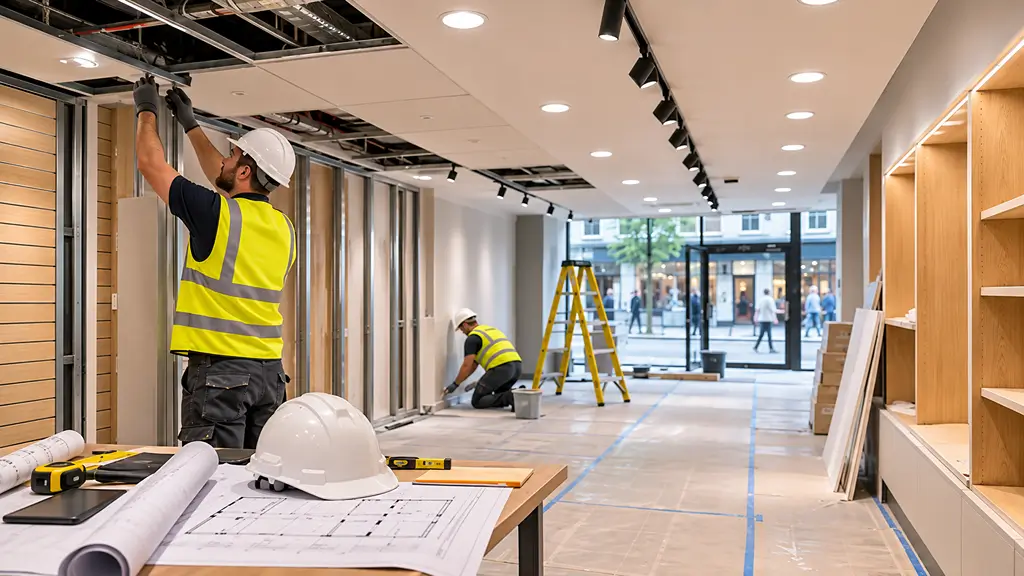
For example, an office refurbishment may involve new partitions, electrical alterations, ceiling works and final decorations.
These activities cannot always take place independently. Electrical installations may need to be completed before ceilings are closed, while certain finishes may depend on earlier work being inspected or completed.
Project management helps establish the appropriate sequence and coordinate the people responsible for each activity.
It also provides a structure for handling information and decisions as the works progress.
This is different from independent construction project management consultancy. In Revolex’s case, project management forms part of its commercial fit-out, refurbishment and coordinated delivery services.
The exact responsibilities of the contractor, client, designers and other consultants depend on the agreed project arrangements.
Why Project Management Matters for Commercial Projects
Commercial refurbishment and fit-out projects often have several connected requirements.
The works may need to meet an agreed programme while accounting for procurement, access, building services and operational restrictions.
A change to one activity can affect others.
For example, an alteration to the proposed partition layout may require electrical drawings, installation requirements or material orders to be reviewed.
If those implications are not identified and communicated, other activities may be affected.
Project management supports coordination between these decisions and the delivery programme.
For commercial property managers, the practical benefits include clearer visibility of progress, better communication between the relevant parties and a structured approach to managing dependencies.
It does not remove the possibility of delays, additional work or changing requirements.
Its value is in helping the project team understand what needs to happen, who is responsible and how emerging issues should be addressed.
Key Project Management Considerations During Commercial Fit-Out Delivery
1. Establishing the Scope and Responsibilities
Coordinated delivery starts with a clear understanding of the work required.
The project team needs appropriate drawings, specifications and information about the intended outcome.
It should also be clear which elements are included in the contractor’s scope and which decisions or approvals remain with the client or other appointed parties.
For example, a landlord preparing a commercial property for a new occupier may have requirements for the base building, while the incoming tenant has separate fit-out needs.
These responsibilities should be understood before relevant works are programmed.
Where design information is incomplete, further coordination may be required before particular activities can proceed.
Clear scope information provides a practical basis for procurement, sequencing and communication.
Before works begin, the client and relevant advisers should also establish whether planning permission or other approvals are required. Routine internal fit-out works do not usually need planning permission, but external alterations or material changes of use may require consent. For a general overview of the application process, see this guide to planning permission requirements. Requirements for individual commercial premises should be confirmed with the relevant local planning authority.
It also helps distinguish agreed works from later changes or additional requirements.
2. Mobilisation and Procurement Coordination
Mobilisation is the process of preparing a project for the start of site works.
It may involve confirming the programme, arranging resources, reviewing access requirements and coordinating the information needed by the delivery team.
Procurement involves obtaining the materials, equipment and specialist work packages required for the project.
These activities need to reflect the agreed scope and programme.
For example, a commercial interior refurbishment may require flooring, partitions, ceiling systems and electrical components from different suppliers or trades.
Some items may have longer lead times or need to be available before another activity can begin.
Project management brings these requirements into the wider delivery plan.
The programme should also account for practical site arrangements, including deliveries, storage and access.
Actual procurement arrangements depend on the materials specified, supplier availability and project requirements.
3. Programme Management and Trade Sequencing

Programme management involves planning and monitoring when different activities are expected to take place.
Trade sequencing is the order in which work packages are carried out.
In commercial fit-out projects, this matters because one trade may depend on another completing a particular activity first.
For example, building services alterations may need to take place before partitions or ceilings are finished. Flooring installation may also depend on completion of earlier preparation works.
A coordinated programme helps the team understand these dependencies.
As works progress, project management involves reviewing activity against the agreed programme and identifying issues that may affect subsequent tasks.
Changes to scope, procurement or site conditions may require the programme to be reviewed.
For clients managing occupied properties or several commercial sites, clear programme information also supports decisions about operational arrangements and access.
However, a programme is based on the available project information and agreed requirements. It should not be treated as a guarantee that circumstances will remain unchanged.
4. Communication and Stakeholder Coordination
Commercial projects can involve several parties, including the client, contractor, consultants, landlords, managing agents and building occupiers.
Each may need different information or have responsibilities that affect delivery.
Project management helps coordinate communication between the relevant parties.
This can include progress updates, confirmation of upcoming activities, decisions about proposed changes and notification of issues requiring attention.
A single point of contact can make communication more straightforward by providing a consistent route for project-related discussions.
However, it does not remove the need for decisions or approvals from those responsible for them.
For example, a facilities manager may need advance information about a planned service interruption, while a consultant may need to review technical information before work proceeds.
Identifying these requirements early supports more organised delivery.
5. Managing Changes and Unexpected Site Conditions
Not every issue can be identified before site works begin.
Existing commercial buildings may contain concealed services, damaged materials or other conditions that become apparent during refurbishment.
Clients may also request changes as the project develops.
Where new requirements arise, the project team needs to understand how they affect the agreed works.
This may involve reviewing the scope, obtaining further information, considering procurement requirements or assessing programme implications.
Changes can also affect cost and the responsibilities of different parties.
For example, discovering an existing service in the position of a proposed partition may require the installation approach to be reviewed.
The relevant parties should consider the available options and agree any necessary changes through the appropriate project arrangements.
Project management provides a structure for identifying, communicating and reviewing these issues rather than allowing them to be addressed informally without considering their wider implications.
6. Quality Checks, Snagging and Handover
Project management continues through the final stages of delivery.
Depending on the scope, relevant work packages may require inspections, testing or commissioning.
Commissioning involves checking and preparing installed building systems for their intended operation.
Snagging is the process of identifying incomplete items or defects that need attention before completion.
These activities may involve several trades and should be coordinated with the agreed handover requirements.
For example, a refurbished commercial interior may require final checks to finishes alongside relevant testing of altered building services.
Handover may also involve providing appropriate completion information to the client.
The exact requirements depend on the works, contractual arrangements and applicable responsibilities.
Planning these activities before the end of the project helps make them part of the delivery programme rather than an afterthought.
Commercial Fit-Out Project Management Checklist
The following table summarises how different management activities support coordinated project delivery.
| Project management activity | What is being coordinated | Why it matters | What the client may need to confirm |
|---|---|---|---|
| Scope review | Drawings, specifications and agreed works | Establishes what needs to be delivered | Project requirements and outstanding decisions |
| Mobilisation and procurement | Resources, materials and site preparation | Connects procurement and site readiness to the programme | Access arrangements and important dates |
| Trade sequencing | Dependencies between work packages | Helps activities take place in a practical order | Operational constraints and required working windows |
| Programme monitoring | Progress and upcoming activities | Identifies issues requiring review or coordination | Decisions affecting scope or timing |
| Changes and communication | Emerging information and revised requirements | Helps assess implications before work changes | Approvals and agreed variations |
| Testing, snagging and handover | Final checks, outstanding items and completion requirements | Supports an organised conclusion to the works | Handover information and acceptance requirements |
The table provides a general overview. Individual projects may require different arrangements depending on their scope, complexity and delivery responsibilities.
How Revolex Approaches Commercial Project Delivery
Revolex delivers commercial fit-out and refurbishment works across London, surrounding areas and parts of the Midlands, including Northampton and the surrounding area.
Its delivery approach focuses on practical planning, coordinated multi-trade works, responsive communication and a single point of contact from enquiry to handover.
A typical project begins with an initial assessment of the client’s requirements and available information.
A site survey may follow where required, together with design coordination and value engineering where appropriate. Value engineering involves reviewing practical alternatives to help balance buildability, scope and cost.
Following quotation and agreement of the works, delivery can include mobilisation, procurement, programme management, trade coordination and site management.
Revolex also uses project management software to support coordination, communication and delivery control.
Testing, snagging, commissioning coordination and handover are managed as applicable to the agreed scope.
These activities form part of Revolex’s Turnkey Fit-Out & Refurbishment Services, which support delivery from client-provided design through to handover.
Revolex’s Commercial Building & Interior Works capability also supports projects where different physical work packages need to be coordinated.
The precise process depends on the project, available information and responsibilities agreed between the parties involved.
Project Management in Occupied Commercial Buildings
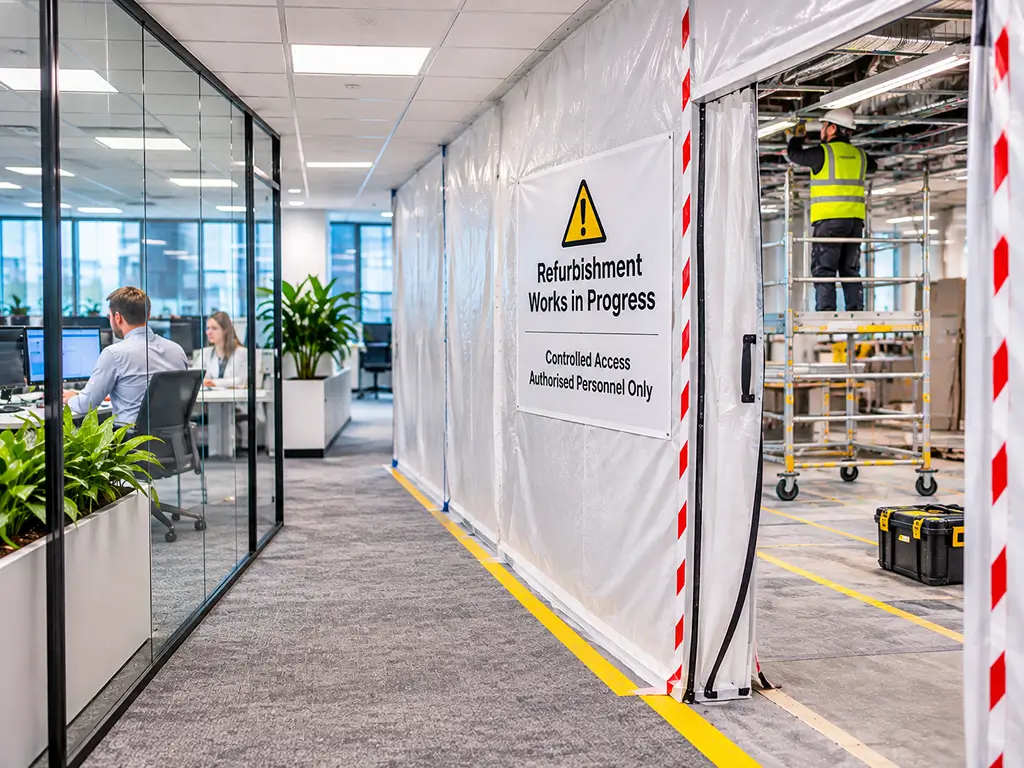
Project management can require additional coordination where commercial premises remain occupied during works.
For example, refurbishment within an operational office or automotive dealership may need to account for staff movements, customer access, agreed working windows and building management requirements.
The project programme may also need to consider deliveries, noise-sensitive activities and temporary restrictions affecting particular areas.
These arrangements should be assessed against the work involved and the site’s operational requirements.
Some activities may be suitable for phased or out-of-hours delivery. Others may require restricted access or temporary closure of affected areas.
Continued occupation should not be assumed to be suitable for every project.
Further information is available in Revolex’s guide to managing commercial fit-out works in occupied buildings.
Project management also needs to account for the relevant construction health and safety arrangements.
Under the Construction (Design and Management) Regulations 2015, commercial clients and appointed dutyholders have defined responsibilities. The appropriate appointments and responsibilities depend on the project.
The Health and Safety Executive’s guidance for commercial clients provides further information.
Coordinating a commercial fit-out does not automatically mean the contractor assumes every statutory client or consultant responsibility.
Common Project Management Mistakes and Buyer Risks
Several issues can make commercial project delivery more difficult when they are not addressed early.
- Starting with an unclear scope. Missing drawings, specifications or decisions can create uncertainty about what is included.
- Leaving responsibilities undefined. Decisions and approvals may be delayed when it is unclear who needs to provide them.
- Planning trades separately. Individual activities may be scheduled without accounting for dependencies between work packages.
- Overlooking procurement requirements. Material lead times and specialist availability may affect when works can proceed.
- Making changes without reviewing their implications. Revised requirements can affect scope, cost, procurement and programme.
- Underestimating operational restrictions. Building access, occupied areas and agreed working periods may limit delivery options.
- Leaving handover planning too late. Relevant testing, snagging and completion information may need coordination before final delivery.
These risks do not affect every project in the same way.
Their importance depends on the building, scope, information available and responsibilities agreed between the client and delivery team.
What to Send When Enquiring About a Commercial Fit-Out or Refurbishment
Clear project information helps a contractor understand the proposed works and assess the requirements for delivery.
Where available, provide:
- Existing drawings and proposed layouts.
- A description of the intended scope.
- Relevant specifications or technical information.
- The project location.
- Proposed start and completion dates.
- Building access and working restrictions.
- Information about occupied areas or operational requirements.
- Known building services or existing-condition constraints.
- Landlord, managing agent or consultant requirements.
- Budget parameters and important project priorities.
Not every enquiry will have complete information at the outset.
Revolex can review the available details and discuss what further information may be needed before a quotation can be developed.
For a more detailed checklist, read What to Send When Requesting a Commercial Fit-Out Quote.
Frequently Asked Questions
What does project management involve in a commercial fit-out?
Commercial fit-out project management involves coordinating the agreed scope, programme, procurement, trades, communication and handover requirements.
It helps connect separate activities into an organised delivery approach. The exact responsibilities depend on the contractor’s scope and the appointments made for the project.
Why is trade coordination important during refurbishment?
Different work packages often depend on one another.
Electrical alterations, partitions, ceilings, flooring and finishes may need to be completed in a particular order. Coordinating these activities helps the team identify dependencies and manage progress against the agreed programme.
Who coordinates the work on a turnkey fit-out project?
Under an agreed turnkey delivery arrangement, the appointed contractor coordinates the work packages included within its scope.
For Revolex, turnkey delivery typically runs from client-provided design through to handover, with one coordinated team and a single point of contact.
Clients, designers and other appointed parties may retain separate responsibilities depending on the project.
How are unexpected site issues or changes managed?
Unexpected conditions or requested changes should be reviewed to understand their implications for the agreed scope.
The project team may need to assess alternative approaches, obtain further information and review programme or cost implications.
Relevant changes should be communicated and agreed through the appropriate project arrangements before affected works proceed.
How does project management differ in occupied commercial buildings?
Occupied buildings can require additional coordination around access, deliveries, working windows, noise and operational restrictions.
The delivery approach depends on the activities involved and the building’s requirements. Some works may be phased, while others may require temporary restrictions or closure of affected areas.
What happens during snagging and handover?
Snagging involves identifying outstanding items or defects that need attention before completion.
Handover involves completing the relevant checks and providing the information or documentation required under the agreed project scope.
Testing and commissioning may also be required where building services have been installed or altered.
Discuss Your Project
Planning a commercial fit-out or refurbishment that involves several trades, an agreed programme or operational site constraints?
Revolex supports coordinated commercial project delivery with practical planning, responsive communication and a single point of contact from enquiry to handover.
Contact Revolex to share your drawings, proposed scope, programme and site requirements.
The team can review the available information and discuss the appropriate next steps.